
Highlights:
- Social media platforms are deliberately engineered with variable rewards and notifications to maximize your time on the app, so struggling to stop isn’t a matter of willpower
- Global daily social media use now averages around two hours and twenty-three minutes per person, which adds up to roughly 36 days a year lost to scrolling
- Warning signs worth watching for include mindless picking up your phone, worsened sleep, and feeling anxious when you’re away from it
- Gradual, structured changes (like killing notifications, moving apps off your home screen, and setting specific check-in windows) tend to stick better than an abrupt, all-or-nothing quit
- Filling the reclaimed time with hobbies, movement, or real conversations is essential, since an unplanned void tends to pull people right back into old scrolling habits
- FOMO fades faster than expected, usually within two to three weeks, once you realize most of what matters reaches you outside the feed anyway
- Benefits like better sleep, longer attention spans, and less comparison-driven anxiety tend to show up within the first couple of weeks of cutting back
Somewhere between the third scroll refresh and the fourth notification check, most of us have had the same thought: this is eating my life. If that sounds familiar, you’re not imagining it, and you’re definitely not alone. Quitting social media (or even just cutting way back) is one of those goals that sounds simple in theory and feels nearly impossible in practice. The good news is that people do it successfully every day, and the process is a lot more manageable once you understand why these platforms are so sticky and what actually works to break free. This guide walks through the real reasons social media has such a grip on us, what current research says about how much time we’re really losing, and a practical, step-by-step approach to reclaiming your hours, your attention, and your peace of mind.
Why Social Media Feels So Hard to Quit
Social media apps aren’t just convenient tools for staying in touch, they’re engineered products built by teams whose entire job is to keep you scrolling. Every like button, autoplay feature, and infinite feed is designed around the same goal: maximizing time on app. That’s not a conspiracy theory, it’s a business model.
A few reasons quitting feels so hard:
- Variable rewards. You never know if the next scroll will bring something boring or something exciting, and that unpredictability keeps your brain hooked in the same way a slot machine does.
- Social validation loops. Likes, comments, and shares trigger small dopamine hits that make posting and checking back feel necessary rather than optional.
- Fear of missing out. Group chats, event invites, and trending conversations all happen on these platforms, so stepping away can feel like it comes with a real social cost.
- Habit and boredom. Reaching for your phone during any lull, waiting in line, sitting through a commercial, has become an automatic reflex rather than a conscious choice.
Understanding these mechanisms doesn’t make them disappear, but it does help you stop blaming yourself for struggling. You’re not weak-willed, you’re responding exactly the way these products were built to make you respond.
What the Data Says About Our Screen Time Habit
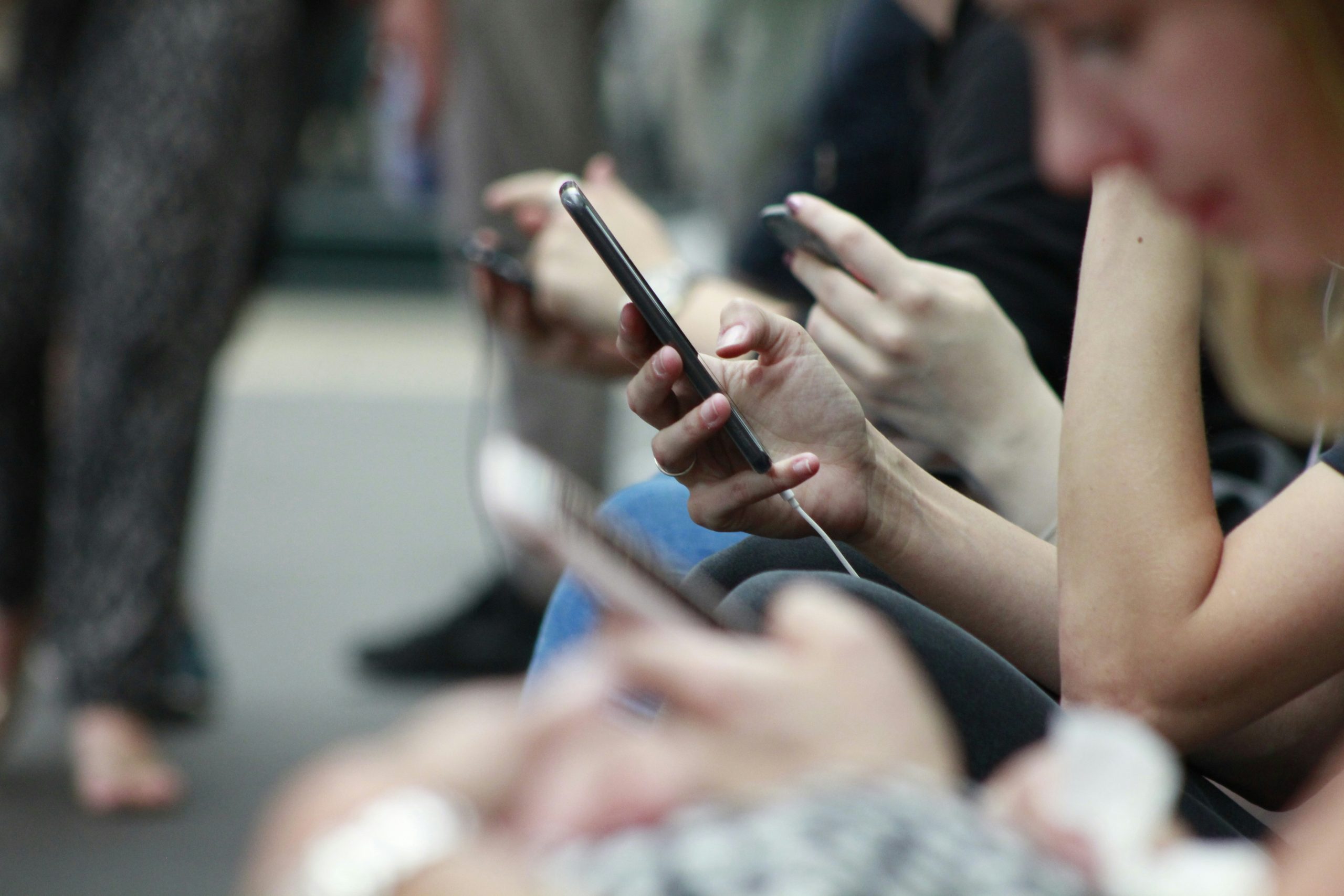
It’s worth pausing on just how much time this actually adds up to, because the numbers are more staggering than most people expect. According to DataReportal’s Digital 2026 Global Overview Report, the average person worldwide now spends roughly two hours and twenty-three minutes on social media every single day.
Do the math on that and it gets sobering fast. Two hours and twenty-three minutes a day works out to more than 17 hours a week, or roughly 36 full days a year, spent scrolling feeds. Stretch that across a decade and you’re looking at close to a full year of waking life handed over to apps. And that figure is a global average, meaning plenty of people, especially younger users, are well above it.
What makes this data point particularly useful is what it implies about opportunity cost. Every hour spent on a feed is an hour not spent on a hobby, a workout, a conversation with someone in the same room, or simply resting. The report doesn’t just measure screen time in isolation, it reflects a global shift in how discretionary time gets allocated, and social platforms are consistently winning that competition against sleep, exercise, and in-person connection. That’s the real argument for quitting or cutting back: it’s not really about the apps themselves, it’s about what you get back when you’re not using them.
Signs It Might Be Time to Step Back
Not everyone needs to quit social media entirely, but certain signals are worth paying attention to. Consider stepping back if you notice:
- You pick up your phone without deciding to, and only realize you’re scrolling ten minutes later.
- Comparing yourself to other people’s posts leaves you feeling worse rather than informed or inspired.
- You’ve missed sleep, work deadlines, or in-person plans because of time spent online.
- Checking your phone has become the first thing you do in the morning and the last thing you do at night.
- You feel anxious or restless when you’re away from your phone for more than a short stretch.
If a few of these hit close to home, that’s not a diagnosis, it’s just useful information. It means your relationship with these apps has drifted from “tool” to “default behavior,” and that’s exactly the kind of pattern worth interrupting.
How to Start Quitting Without Losing Your Mind
Going cold turkey works for some people, but for most, a more gradual and structured approach sticks better long term. Here’s a practical sequence to follow.
Audit your actual usage first.
Most phones have a built-in screen time tracker. Look at it honestly before making any changes. You can’t fix what you haven’t measured, and most people underestimate their usage by an hour or more.
Turn off notifications, not just some, all of them.
Notifications are the trigger that pulls you back in throughout the day. Without that ping, checking becomes a conscious choice instead of a reflex.
Move apps off your home screen.
Adding friction, even something as small as an extra swipe or a folder buried two screens deep, meaningfully reduces impulsive opening.
Set specific windows instead of banning yourself outright.
Telling yourself “never again” often backfires and leads to a binge later. Instead, try designating two 15-minute windows a day for checking in, and stick to them.
Use a grayscale or app-limit setting.
Removing color from your screen makes apps measurably less visually stimulating, and built-in app timers can lock you out once you hit your limit for the day.
Tell people what you’re doing.
Letting friends and family know you’re cutting back means they won’t wonder why you’ve gone quiet, and it builds in a bit of accountability.
Filling the Space You Get Back
This is the part people underestimate the most: quitting social media creates a genuine vacuum of free time and mental space, and if you don’t plan for that, you’ll likely drift right back to the apps out of sheer boredom. The goal isn’t just subtraction, it’s replacement.
Some ways to fill that reclaimed time meaningfully:
- Pick up a physical hobby that requires your hands, like cooking, drawing, gardening, or an instrument. These naturally block phone use because they occupy your attention differently than passive scrolling does.
- Reconnect with reading. Even fifteen minutes before bed instead of a scroll session can noticeably improve both sleep and mood over a few weeks.
- Schedule actual phone calls or in-person meetups instead of relying on likes and comments to maintain relationships.
- Move your body. A short walk without your phone does more for restlessness than another scroll ever will.
- Journal about how you’re feeling as the habit shifts. Writing things down surfaces patterns you’d otherwise miss.
Reclaiming your time from social media rarely stays contained to just your phone habits. It tends to ripple outward into how you treat yourself more broadly, and that’s how self care supports personal transformation: the small act of protecting your attention becomes a template for protecting your energy, your relationships, and your goals in other areas of life too.
Dealing With FOMO and Social Pressure
Fear of missing out is probably the single biggest reason people quit and then quietly relapse within a week. It helps to reframe what you’re actually missing.
Most of what shows up in a feed isn’t information you truly need, it’s curated highlights designed to keep you engaged, not to inform your life in any meaningful way. Birthdays, big life events, and important news from close friends will almost always reach you through direct messages or conversations regardless of whether you’re scrolling a feed. The things that genuinely matter tend to find their way to you anyway.
If group coordination is a real concern, for example if your friend group plans everything through a specific app, consider a middle path rather than an all-or-nothing approach:
- Keep messaging apps but delete feed-based apps like Instagram or TikTok specifically.
- Use a browser version with restricted access instead of the app, since browser versions are typically far less optimized for endless scrolling.
- Ask one friend to loop you in on anything time-sensitive so you’re not relying on the app itself as your safety net.
The discomfort of FOMO does fade. Most people report that after roughly two to three weeks, the urge to check social media for updates drops off substantially, simply because new habits and information sources fill in the gap.
What Changes When You Actually Quit

People who successfully step back from social media consistently report a similar set of shifts, and they tend to show up faster than expected.
Sleep tends to improve first, often within the first week, since the blue light and mental stimulation of late-night scrolling are removed from the bedtime routine. Attention span follows shortly after. Tasks that once felt tedious, like reading a full article or sitting through a movie without reaching for your phone, start to feel manageable again as your brain relearns how to sustain focus without constant novelty.
Comparison and anxiety also tend to ease. Without a curated feed of other people’s highlight reels, it becomes much easier to evaluate your own life on its own terms rather than against an endless stream of edited moments from strangers and acquaintances.
Finally, and maybe most importantly, people report simply having more time. Not in some abstract sense, but in a very literal one: extra hours in the evening, quieter mornings, more mental bandwidth for things that used to feel impossible to fit in.
A Realistic Approach for Long-Term Success
Quitting social media isn’t usually a straight line, and expecting perfection from day one sets most people up to quit their quitting attempt. A more realistic framework looks like this:
- Week 1: Track usage, remove notifications, delete one app you use the least.
- Week 2: Set specific check-in windows and move remaining apps off your home screen.
- Week 3: Replace at least one daily scrolling session with an alternative activity.
- Week 4: Reassess. Decide whether full removal, permanent limits, or occasional use fits your life best.
Some people land on complete and permanent deletion. Others find that a heavily restricted, intentional relationship with these apps works just as well. Neither answer is wrong, what matters is that the choice is a conscious one rather than a habit running on autopilot.
Final Thoughts
Quitting social media isn’t really about villainizing technology, it’s about making sure your time reflects your actual priorities instead of an algorithm’s. The two hours and twenty-three minutes a day that the average person currently spends scrolling represents real, recoverable time, and getting even a portion of it back can noticeably change how rested, focused, and present you feel. Start small, expect some discomfort in the first couple of weeks, and pay attention to what you fill the space with. That’s ultimately what determines whether the change sticks.