
Organizing a large-scale fundraising event for local dog shelters is an ambitious and rewarding undertaking. Such events not only generate critical financial support for shelters but also raise awareness, encourage adoption, and strengthen community involvement around animal welfare. From selecting the right venue to coordinating transportation, safety, vendors, and volunteers, every detail matters when planning an event of this scale. With thoughtful preparation and clear goals, your fundraiser can become a cornerstone event that benefits dogs in need while bringing people together for a meaningful cause. Below are key considerations to guide you through planning and executing a successful large-scale fundraising event, each focusing on a different operational area that plays an important role in ensuring everything runs smoothly.

Establishing a Strong Foundation and Managing Risk
Before diving into logistics and promotions, it’s essential to build a solid foundation for your event. This starts with defining your objectives: How much money do you aim to raise? How many attendees do you expect? Will the event focus more on fundraising, adoption awareness, or community education? Clear answers to these questions will inform every decision you make moving forward.
Equally important is protecting your organization, volunteers, and attendees. Large events involve crowds, animals, equipment, and food, all of which introduce potential risks. Securing event planning insurance is a crucial step that helps safeguard against unexpected incidents such as accidents, property damage, or liability claims. Having proper coverage not only offers peace of mind but also demonstrates professionalism to sponsors, partners, and venues.
In this early stage, you should also establish a planning committee, assign roles, and create a realistic timeline. Consistent communication among organizers ensures tasks are completed on schedule and nothing is overlooked as the event date approaches.
Designing Fundraising Strategies That Maximize Impact
A successful fundraiser relies on diverse revenue streams that appeal to a wide audience. While ticket sales are often a primary source of income, they should not be the only one. Incorporating raffles, silent auctions, donation stations, and sponsorship opportunities can significantly increase your total funds raised.
One effective option to consider is integrating product fundraising programs into your event strategy. Selling branded merchandise, pet-themed items, or locally sourced goods allows supporters to contribute while receiving something tangible in return. These programs can continue before and after the event, extending your fundraising reach beyond a single day.
Transparency is key when asking for donations for product fundraising programs. Clearly communicate how funds will be used to support local dog shelters, whether that includes medical care, food, facility improvements, or adoption programs. When attendees understand the impact of their contributions, they are more likely to give generously and encourage others to do the same.
Choosing the Right Venue for People and Pets
The venue sets the tone for your entire event, so selecting the right space is a critical decision. You’ll need to consider capacity, accessibility, parking, indoor and outdoor options, and pet-friendly policies. Large-scale dog shelter fundraisers often benefit from flexible venues that can accommodate both people and animals comfortably.
In some cases, partnering with a business that offers a restaurant event space can be an excellent choice. These venues often provide built-in amenities such as seating, restrooms, and food service, reducing logistical complexity. Restaurants may also be willing to donate a portion of their proceeds or offer discounted rates in support of your cause.
No matter the venue type, ensure there is adequate room for dogs to move safely, quiet areas for animals that may become overwhelmed, and clear signage to guide attendees. A well-chosen venue enhances the overall experience and encourages guests to stay longer and engage more deeply with the event.
Coordinating Transportation for Guests and Partners
Transportation is often an overlooked aspect of event planning, yet it can greatly influence attendance and punctuality. For large-scale fundraisers, especially those involving sponsors, speakers, or VIP donors, having a clear transportation plan is essential.
Arranging an executive car service for key guests can elevate the professionalism of your event and make high-level supporters feel valued. Reliable transportation ensures that important attendees arrive on time and stress-free, allowing them to focus on supporting your cause.
For general attendees, consider providing clear directions, parking information, and alternative transportation options such as ride-sharing drop-off zones. The easier it is for people to get to and from your event, the more likely they are to attend and recommend it to others.
Managing Group Travel and Logistics at Scale
When dealing with larger groups, such as corporate sponsors, volunteers, or partner organizations, transportation logistics can quickly become complex. Coordinated travel solutions help keep everyone organized and on schedule, reducing confusion on the day of the event.
Partnering with a corporate transport service can streamline group travel and ensure consistent arrival times for teams involved in setup, presentations, or performances. This level of coordination is particularly helpful for events spread across large venues or multiple locations.
Clear schedules, designated drop-off points, and a transportation coordinator can further improve efficiency. Smooth logistics behind the scenes allow your team to focus on engaging attendees and supporting the dogs and shelters at the heart of your mission.
Prioritizing Animal Health and Emergency Preparedness
When hosting an event that includes dogs, health and safety must be a top priority. Even well-trained animals can become stressed in busy environments, and unexpected medical issues can arise. Being prepared demonstrates responsibility and care for the animals involved.
Having access to an urgent care vet clinic during or near your event is an invaluable precaution. Whether through an on-site veterinary partner or a nearby facility on standby, quick medical attention can make all the difference in an emergency situation.
In addition to veterinary support, ensure you have fresh water stations, shaded rest areas, waste disposal supplies, and clear rules for dog interactions. Educating attendees on respectful behavior around animals helps create a safe and positive environment for everyone.
Highlighting Medical Needs and Shelter Support Services
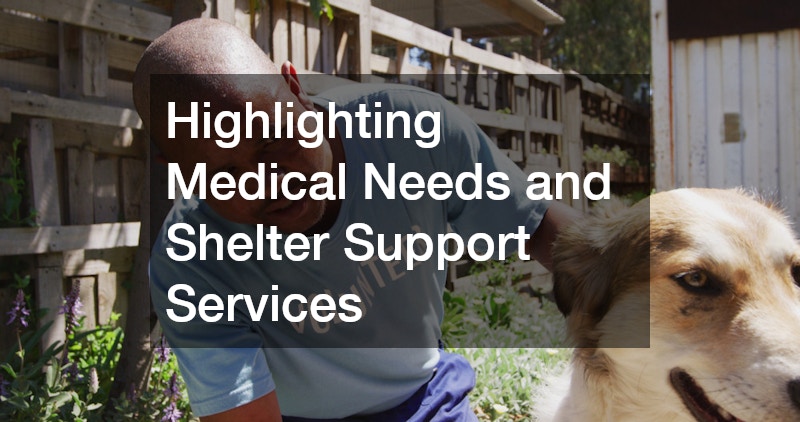
A large-scale fundraising event is also an opportunity to educate the public about the realities faced by local dog shelters. Many shelters struggle to cover the costs of medical care for injured, ill, or abandoned animals, and your event can help shine a light on these challenges.
Sharing stories about dogs who have benefited from pet surgery services can be particularly powerful. Before-and-after photos, testimonials from shelter staff, and informational displays help attendees understand how their donations directly contribute to life-saving care.
This educational component not only encourages donations during the event but also fosters long-term support for shelters. Attendees who connect emotionally with the cause are more likely to volunteer, adopt, or continue donating in the future.
Building Community Through Branded Merchandise
Merchandise plays a dual role in fundraising events: it generates revenue and promotes your cause long after the event ends. Thoughtfully designed items can become conversation starters that spread awareness throughout the community.
Partnering with a local provider for custom tshirt printing allows you to create unique, high-quality apparel that attendees will be proud to wear. Including your event name, shelter logos, or a meaningful message helps reinforce the mission behind the fundraiser.
Beyond t-shirts, consider items such as tote bags, bandanas for dogs, or reusable water bottles. When merchandise is practical and well-designed, it continues to promote your cause while reminding supporters of the positive impact they helped create.
Coordinating Food, Vendors, and Sustainability Efforts
Food and beverage options are often a highlight of large events, but they also require careful planning. Whether you’re working with food trucks, caterers, or on-site vendors, coordination is key to ensuring smooth operations and compliance with local regulations.
For events featuring cooking demonstrations or large-scale food preparation, understanding equipment and infrastructure needs is essential. Something as specific as a cooking oil tank may be required for vendors preparing food on-site, and planning for these details in advance prevents last-minute complications.
Sustainability should also be part of your food strategy. Encourage vendors to use compostable materials, provide recycling stations, and minimize food waste. These efforts align well with the values of many animal welfare supporters and enhance your event’s overall reputation.
Ensuring Facility Readiness and Long-Term Success
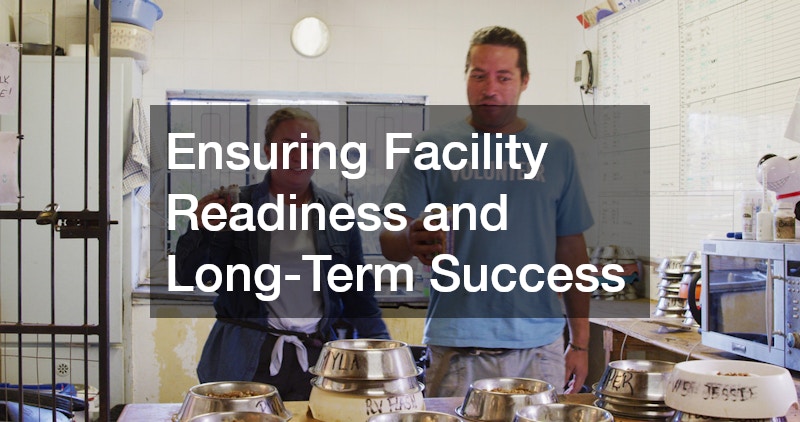
Behind every successful large-scale event is a venue that is well-maintained and fully operational. From restrooms and lighting to waste management and safety systems, the condition of the facility directly affects the attendee experience.
Working with a reliable building maintenance company before and after the event can help ensure everything runs smoothly. Pre-event inspections, on-call support during the fundraiser, and post-event cleanup all contribute to a professional and stress-free experience.
Finally, don’t forget to evaluate your event’s success once it’s over. Gather feedback from attendees, volunteers, and shelter partners, review your fundraising results, and document lessons learned. This reflection will help you improve future events and continue making a meaningful difference for local dog shelters.
Leveraging Local Partnerships and Sponsorships
Strong local partnerships can dramatically increase the reach, credibility, and financial success of your fundraising event. Collaborating with nearby businesses, community organizations, and pet-related service providers allows you to share resources, cross-promote the event, and create a richer experience for attendees. Local pet stores, groomers, trainers, and veterinarians are often eager to support shelter-related causes, especially when their involvement is clearly recognized.
Sponsors may contribute in a variety of ways, including direct financial support, donated raffle or auction items, food and beverages, or professional services such as marketing or event setup. Clearly outline sponsorship tiers and benefits so businesses understand what they receive in return, such as logo placement on banners and promotional materials, booth space at the event, mentions during announcements, or inclusion in post-event thank-you campaigns. Well-structured sponsorship packages make it easier for businesses of all sizes to participate.
Beyond financial benefits, partnerships help strengthen community ties and raise awareness about local dog shelters. When businesses actively promote the event to their customers, your audience expands significantly. These relationships can also extend beyond a single fundraiser, creating ongoing support networks that benefit shelters year-round through donations, volunteer recruitment, and future events.
Recruiting, Training, and Managing Volunteers
Volunteers are the backbone of any large-scale fundraising event, and effective volunteer management can make the difference between chaos and a smooth, enjoyable experience. From event setup and registration to dog handling, merchandise sales, and cleanup, having enough well-prepared volunteers ensures that every area of the event runs efficiently. Start recruiting early through social media, shelter mailing lists, local schools, and community groups to give yourself a strong pool of applicants.
Providing clear role descriptions is essential so volunteers know exactly what is expected of them. Assigning roles based on experience and comfort level—such as dog interaction, crowd management, or administrative tasks—helps everyone feel confident and capable. A short training session, orientation meeting, or digital volunteer guide can cover important topics like safety procedures, event schedules, emergency contacts, and best practices for interacting with dogs and attendees.
Showing appreciation for volunteers is just as important as training them. Offer small perks such as free event merchandise, meals, or certificates of appreciation. Publicly thanking volunteers during and after the event reinforces their value and encourages long-term involvement. When volunteers feel supported and appreciated, they are more likely to become passionate advocates for your cause and return for future fundraising efforts.
Post-Event Follow-Up and Community Engagement
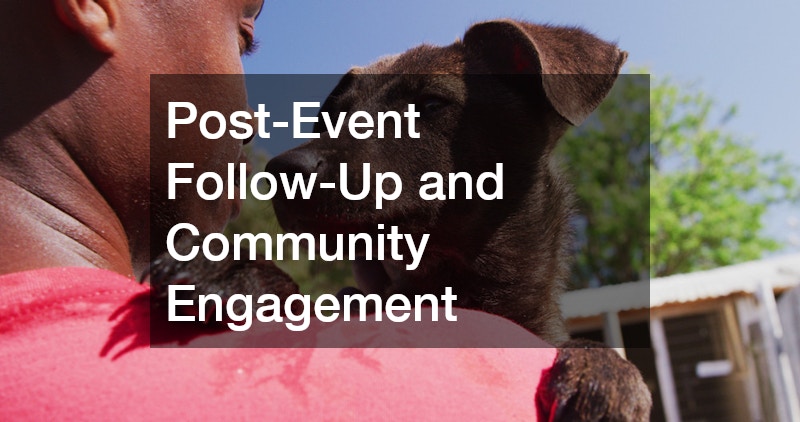
The conclusion of the event is not the end of your fundraising efforts—it’s the beginning of long-term relationship building. Post-event follow-up is essential for maintaining momentum, reinforcing trust, and encouraging continued support for local dog shelters. Start by sending personalized thank-you messages to attendees, donors, sponsors, volunteers, and partners. Expressing genuine gratitude helps supporters feel valued and appreciated.
Sharing the results of the event is equally important. Let your community know how much money was raised, how the funds will be used, and which shelters will benefit. Highlight specific outcomes, such as medical treatments funded, supplies purchased, or dogs supported, to show the tangible impact of their contributions. Photos, videos, and behind-the-scenes stories shared on social media and through email newsletters help relive the event and extend its reach.
Ongoing engagement keeps supporters connected long after the fundraiser ends. Invite attendees to follow your organization online, sign up for newsletters, volunteer at shelters, or attend future events. By nurturing these relationships and maintaining consistent communication, you build a loyal community that is invested in the mission of helping dogs in need and eager to support future fundraising initiatives.
Organizing a large-scale fundraising event for local dog shelters is a complex but deeply fulfilling endeavor. With careful planning, strong partnerships, and a clear focus on both people and animals, your event can raise vital funds, inspire community involvement, and create lasting support for dogs in need.

